
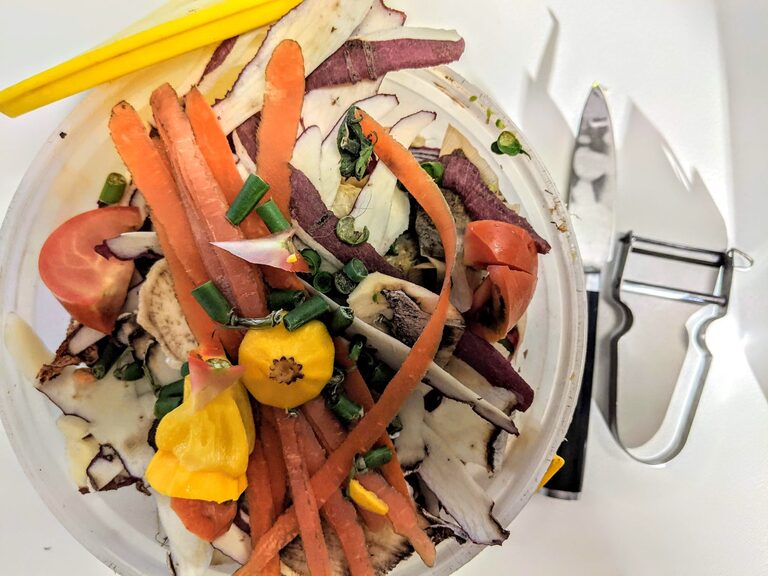
Reducing food waste at home is not only good for your wallet but also beneficial for the environment. Food waste contributes significantly to greenhouse gas emissions and wastes valuable resources like water and energy. Thankfully, there are many practical steps you can take to minimize food waste in your household. This guide will walk you through simple yet effective strategies to help you reduce your food waste and make the most of your groceries.
Understanding Food Waste at Home
Before diving into tips, it’s helpful to understand where most food waste happens in a typical home:
– Buying more food than necessary
– Improper storage leading to spoilage
– Cooking too much and not saving leftovers
– Throwing away food that is still safe to eat
By addressing these common issues, you can significantly reduce the amount of food that ends up in the trash.
Plan Your Meals Ahead
One of the most effective ways to cut down on food waste is careful meal planning.
Create a Weekly Menu
– Plan your meals for the week based on what you already have.
– Write a detailed shopping list including quantities needed.
– Stick to the list to avoid impulse buys that may go unused.
Shop Smart
– Buy only what you need for your planned meals.
– Consider portion sizes for your household to prevent excess.
– Take advantage of bulk buying only if you can use the food before it spoils.
Proper Food Storage
Storing food correctly can greatly extend its shelf life.
Use Airtight Containers
– Transfer opened packages (like cereal or flour) to airtight containers.
– Store leftovers in sealed containers to keep them fresh longer.
Understand Storage Guidelines
– Some fruits and vegetables last longer in the refrigerator, others on the counter.
– Keep herbs fresh by trimming stems and placing them in water like a bouquet.
– Avoid washing produce before storing unless you plan to use it immediately.
Organize Your Fridge and Pantry
– Use the “first in, first out” rule: place newer items behind older ones.
– Keep an inventory list of what you have to avoid buying duplicates.
– Regularly check for items close to their expiration and prioritize using them.
Get Creative with Leftovers
Leftovers don’t have to be boring or wasted.
Repurpose Meals
– Turn leftover roasted vegetables into soups or frittatas.
– Use stale bread for croutons or bread pudding.
– Combine bits of cooked meat or veggies into stir-fries or casseroles.
Freeze Extras
– Freeze portions of soups, stews, or cooked grains for quick meals later.
– Label containers with dates to keep track of storage times.
Monitor Expiration Dates Wisely
Understanding food labels can help reduce unnecessary waste.
Know the Difference Between “Sell By,” “Use By,” and “Best By”
– “Sell by” is for store inventory management, not a safety date.
– “Use by” indicates the last date recommended for product use.
– “Best by” refers to peak quality, not safety.
Use Your Senses
– Smell, look at, and taste food before deciding to throw it away.
– Some foods remain safe beyond their printed dates if stored properly.
Compost Food Scraps
Not all food scraps can be eaten or saved, but they don’t have to go to the landfill.
Start a Compost Bin
– Compost vegetable peels, coffee grounds, eggshells, and other biodegradable waste.
– Avoid composting meat, dairy, or oily foods to prevent pests.
Use Compost in Your Garden
– Nutrient-rich compost improves soil health and reduces the need for chemical fertilizers.
Educate and Involve the Whole Family
Reducing food waste is more effective when everyone in the household participates.
Share Tips and Responsibilities
– Teach kids about the importance of reducing waste.
– Involve family members in meal planning and cooking.
Make It Fun
– Challenge each other to create meals from leftovers.
– Track your waste reduction progress together.
Additional Tips to Consider
– Keep a list on the fridge of foods that need to be used soon.
– Use smaller plates to encourage appropriate portion sizes.
– Donate non-perishable food items you won’t use to local food banks.
Conclusion
By adopting these strategies, you can make a real difference in reducing food waste at home. Thoughtful planning, smart storage, creative cooking, and family involvement all play key roles. Not only will you save money, but you’ll also help protect our planet’s resources. Start with small changes today and enjoy the benefits of a more sustainable kitchen.