
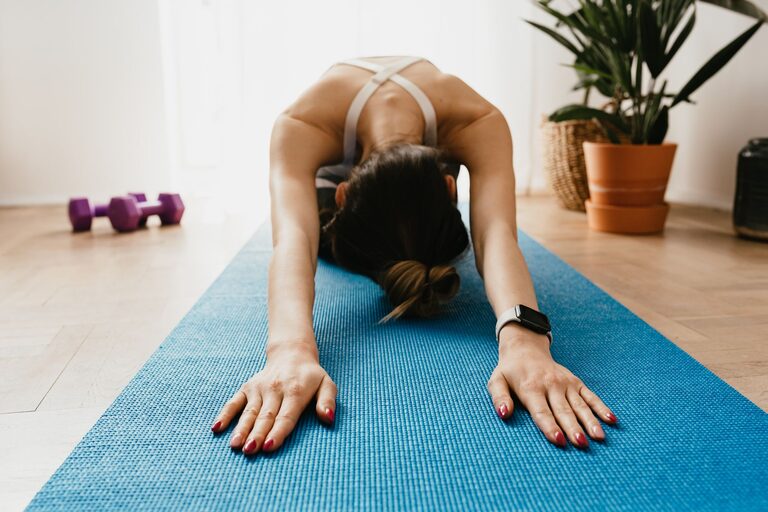
Stretching is a simple yet powerful practice that can enhance your physical health, increase flexibility, and reduce muscle tension. Whether you’re new to exercise or looking to add a calming routine to your day, stretching at home is an excellent way to support your body. This guide will walk you through the basics of stretching safely and effectively.
Why Stretch at Home?
Stretching doesn’t require special equipment or a gym membership, making it easy to fit into your daily routine. Doing stretches at home offers several benefits:
– Improved flexibility: Regular stretching helps lengthen muscles and increase your range of motion.
– Reduced muscle tension: It eases tightness and stiffness, especially after sitting or working out.
– Better posture: Stretching muscles involved in posture can help align your body.
– Enhanced circulation: Stretching boosts blood flow, promoting healing and energy.
– Stress relief: Gentle stretches can calm the mind and relax the body.
With these benefits in mind, it’s essential to learn how to stretch correctly and safely to avoid injury.
Getting Started: Basic Guidelines
Before you begin, keep these tips in mind:
– Warm up first: Stretching cold muscles can lead to injury. Do light cardio for 5 minutes, like marching in place or gentle walking.
– Stretch regularly: Aim for at least 3 times a week, or daily if possible.
– Hold stretches steadily: Avoid bouncing or jerking. Hold each stretch for 20-30 seconds.
– Breathe deeply: Inhale and exhale slowly while holding your stretch.
– Listen to your body: Stretch to a point of mild tension but never pain.
– Use proper form: To avoid injury and get the most benefit, maintain good posture during stretches.
Essential Stretches for Beginners
Here are some simple stretches you can do at home to target key muscle groups. These moves require no equipment and can be done on a mat or carpet.
1. Neck Stretch
– Sit or stand tall.
– Slowly tilt your head to the right, bringing your ear toward your shoulder.
– Hold for 20 seconds, feeling a gentle stretch on the left side.
– Switch sides and repeat.
2. Shoulder Stretch
– Bring your right arm across your chest.
– Use your left hand to gently press your right arm closer to your chest.
– Hold for 20-30 seconds.
– Switch arms.
3. Cat-Cow Stretch (Back and Spine)
– Start on hands and knees.
– Arch your back upward like a cat, tucking your chin to your chest.
– Then, lower your belly and lift your head and tailbone toward the ceiling (cow pose).
– Repeat slowly 5-8 times.
4. Seated Hamstring Stretch
– Sit on the floor with one leg extended.
– Bend the other leg, placing the sole of the foot against the inner thigh of the extended leg.
– Reach forward toward your toes without rounding your back.
– Hold for 20-30 seconds.
– Switch legs.
5. Quadriceps Stretch
– Stand near a wall or chair for balance.
– Bend your right knee and grab your ankle with your right hand.
– Gently pull your heel toward your buttocks.
– Keep your knees close together.
– Hold for 20 seconds.
– Switch legs.
6. Child’s Pose (Lower Back and Hips)
– Kneel on the floor and sit back on your heels.
– Reach your arms forward and lower your torso toward the floor.
– Relax your forehead on the mat.
– Hold the position for 30 seconds to 1 minute, breathing deeply.
Tips for Building a Stretching Routine
Creating a routine can help you stay consistent and enjoy the benefits of stretching over time.
– Set a specific time: Stretch in the morning, after work, or before bed—whenever fits your schedule.
– Combine with other activities: Stretch after walking, jogging, or strength training to cool down.
– Keep it simple: Start with 5-10 minutes per session and gradually increase.
– Mix it up: Include stretches for all major muscle groups.
– Use reminders: Set alarms or notes to keep stretching a habit.
When to Avoid Stretching
While stretching is beneficial for most people, there are a few times when you should avoid it or proceed carefully:
– Immediately after a muscle injury or strain.
– If you feel sharp pain or significant discomfort during a stretch.
– When dealing with certain chronic conditions—check with a healthcare provider if unsure.
Helpful Tools and Resources
Although stretching requires little equipment, some items can enhance your experience:
– Yoga mat: Provides cushioning and grip.
– Stretch strap or belt: Helps with flexibility, especially hamstring stretches.
– Foam roller: Useful for self-myofascial release before stretching.
You can also find guided beginner stretching routines through fitness apps, YouTube videos, and online classes.
Final Thoughts
Stretching at home is an easy, low-cost way to improve your mobility and overall wellbeing. By following this beginner’s guide and listening to your body, you can create a safe and effective stretching routine that fits your lifestyle. Remember, consistency is key, and even just a few minutes each day will make a difference over time.
Start slow, be patient, and enjoy the journey toward a more flexible and relaxed body!